Nintendo
Visit the official Nintendo site to shop for Nintendo Switch™ systems and video games, read the latest news, find fun gear and gifts with a Nintendo twist, and much more.
Nintendo logos
Download the Nintendo logo as a transparent PNG. The API can also return SVG, WebP, dark, and black-and-white versions.


Banners
Nintendo brand colors
#E60012
#E87A7F
#FEF7F7
History
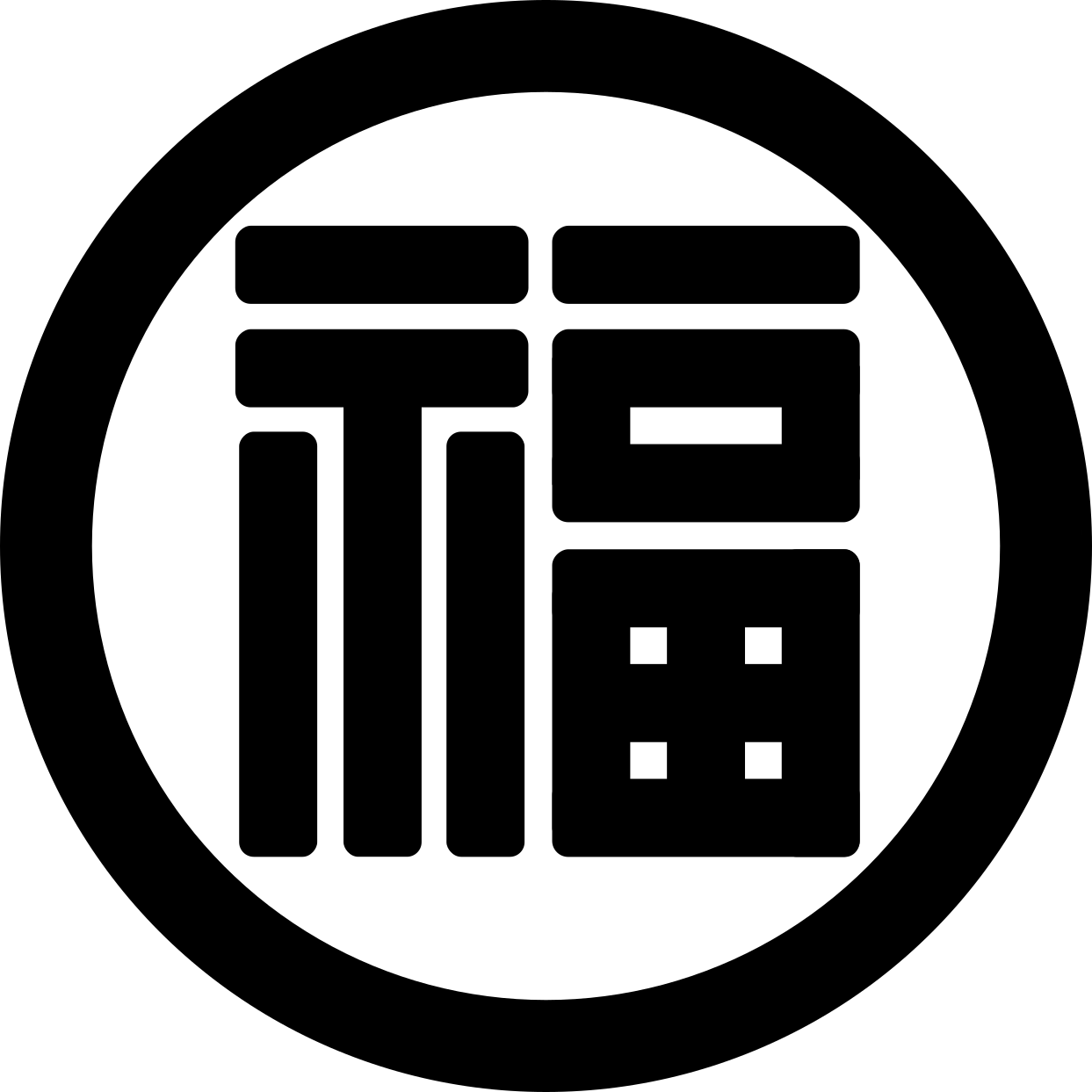
1889–1965
Marufuku seal
Fusajiro Yamauchi founded the company on September 23, 1889, to produce handcrafted hanafuda cards. The corporate seal depicted the kanji for fortune (福) set inside a hollow circle, a combination that gave the mark its name: Marufuku, roughly translating to circle of fortune.
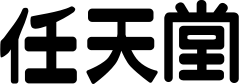
1957–1966
Kanji wordmark
As the company expanded beyond playing cards, it introduced its own name in Japanese kanji as a standalone brand mark. The three characters, nin (任), ten (天), and do (堂), replaced the Marufuku seal as the company's primary visual identity, and remained in use even after the 1963 name change to Nintendo Co., Ltd.

1967–1975
First English wordmark
Add Nintendo logo to your app or website
Use the Logo API to embed the Nintendo logo and millions of others directly in your app or website. Get a free API key to get started.
<img src="https://img.logo.dev/nintendo.com?token=YOUR_API_TOKEN" alt="nintendo.com logo" />